Author: Dan

  • 13 Things And More To Bring On A Day Hike

    13 Things And More To Bring On A Day Hike

    You’re thinking about going on a hike today. The weather is acceptable and you feel like exploring a trail. Maybe you’re on a trip somewhere new, or maybe the mountain standing outside your kitchen window is telling you to get your couch depressing haunches out the door. Either way, packing lists for hiking whims can be a hassle, so I’m here to let you know what I usually take with me, the items sitting in my bag right now. There might be some that you’ve overlooked or haven’t considered.

    If you have anything else that you like to bring that I may have overlooked, feel free to comment! I always love to learn and I’m sure other readers could benefit as well.

    Now, in no particular order of importance, let’s dive in.
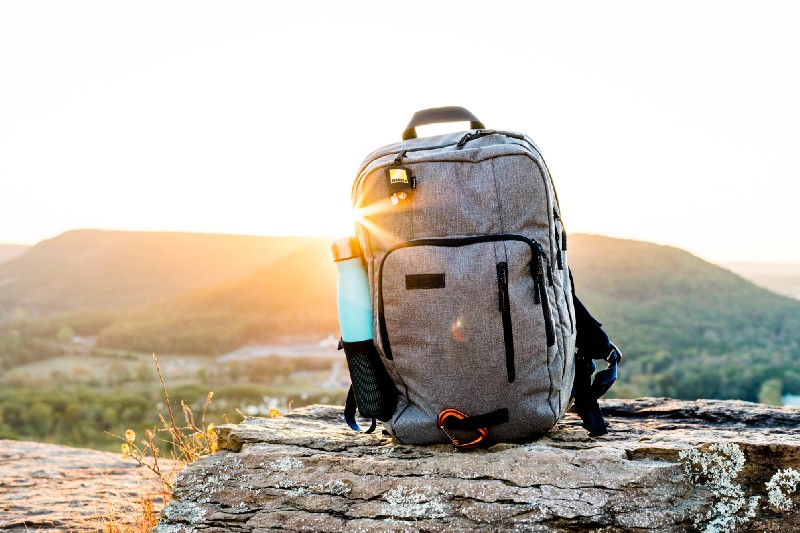
    Photo by Josiah Weiss on Unsplash
    1. Backpack

    The obvious, right? This is actually something that many people overlook. “I can just hold my water bottle in my hand, right?” Sure, if you like suffering. I’ve taken a lot of people with me on hikes who decide to not bring a pack. They always end up drinking my water and putting stuff in my bag. That’s fine, but remember that the key to a happy life in the outdoors is preparation. You may not need everything in the backpack on any one hike, but why not make your life easier? Ideally, you will be the one to bring a backpack.

    2. Water Container

    Part 2 of the obvious. Whole books could be written on why a hiker should stay hydrated, even on a short hike. If not for emergency preparedness alone, bring water. Even if it’s -20 degrees, bring water. The best you could do for yourself would be at least 2 liters in some kind of hydration pack that you can suck straight out of your bag. If you’re a canteen person, I can understand that too. Either way, try to bring more than you will need. Your shoulders can deal with the weight, your cells cannot deal with dehydration.

    3. Snacks

    Snacks are great for mood. Hangry people don’t enjoy hikes nearly as much as the smiling bringer of a good trail mix. I would also recommend gummy bears. They’ve gotten me through long walks in the woods and sweaty days of heavy construction. However, if you’re stomach doesn’t like them, see number 12.

    4. Flashlight

    No, the light on your phone rapidly dying out of cell service doesn’t count. Rolling your ankle in a pothole or slamming your shin on a rock when it got dark earlier than you thought it would is a horrible experience. Yes I am speaking from the comedic perspective of my own past mistakes.

    Red light capable flashlights are my favorite. They have less of an effect on your night vision.

    5. First Aid Kit

    Next to dogs, alcohol wipes and band-aids are humanity’s best friend. Beat that infection.

    6. Knife

    Besides looking cool, life will one day present a situation where you wished you had one, even if it’s just opening the store-bought flashlight package (batteries hopefully included).

    7. Cord and Duct Tape

    I bundled these together in the interest of gear reparation. If your bag breaks, you can get inventive with both of these.

    In the military, we used something called Det Chord… just kidding, that was something else… 550 Paracord. Paracord works great for helping repair broken straps and securing items you really don’t want to lose like compasses, monocular, etc.

    8. Monocular

    Alright. You might prefer binoculars, but right now I’m a fan of my monocular. It’s so convenient and fast to use if I want to get a closer look at a hawk flying over or a coyote I’ve spotted down a hill. I love wildlife, and every time I forget to bring my monocular, I see something cool far away and throw up my hands in real dismay.

    9. Compass

    Once again, your phone doesn’t count. At this point we’re venturing deeper into emergency preparedness zone. Getting lost is the worst experience that you do not want to have and it can be life threatening. Get a compass, learn how to use it, and if you want a map to go with it… that can only be a good idea.

    10. Cell Phone With Extra Battery

    I’m starting to feel bad for insulting cell phones too much. There are hundreds of apps like plant identifiers, maps, and music that can all enhance your experience.

    If you get lost, you can find a hill with service and use the phone to get your life saved. That would be epic, but once again, getting lost is never recommended. Remember I told you that.

    11. Identification

    It’s a sad topic, but if anything happens to you, identification goes a long way to helping your people.

    12. Toilet Paper and E-Tool

    Do I have to elaborate on this? Fine. One time I went hiking up a mountain near my house. It was only a couple of hours. I don’t know what it was, maybe the gummy bears, but I cursed myself the whole way down for not bringing what I knew I should have brought. Never again. Wilderness dumps happen to the best of us. On that note, a little shovel to bury the waste is good manners, and the law. Look up your local regulations. Also, campground firepits are no place for these things. I can’t tell you how often I’ve seen the aftermath. It makes no sense.

    13. Sunscreen

    Your skin will always burn easier in the mountains no matter who you are. It’s an altitude thing, so just put it on. No, don’t make that face. Everyone is doing the sunscreen thing these days. It’s cool.
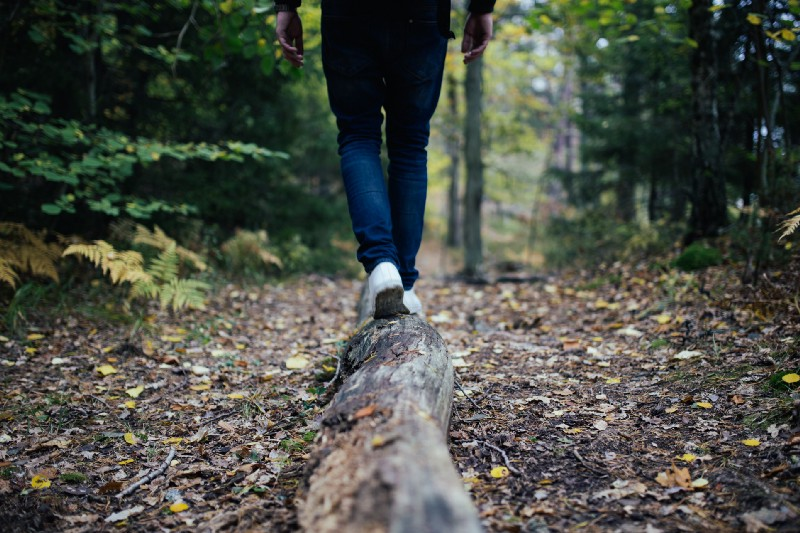
    Photo by Jon Flobrant on Unsplash

    Honorable Mentions

    I’ve taken you through my current setup. Things that haven’t made this list that I often think I should maybe get include:

    Bear Spray/Bell, Space Blanket, Whistle, GPS.

    I ran into a bear with my friends a little while ago, so now they’re on my mind.

    Last but not least of the honorable mentions if you’re bringing a pet: water, food, protective boots, and a LEASH. More on this to be found in other articles.

    In Conclusion

    Hiking is glorious. It brings peace, adventure, and exercise into one fantastic experience every time you go. Bring the right supplies, and you can enjoy your time outside with minimal suffering. Now that you feel a little more enlightened, get out there!
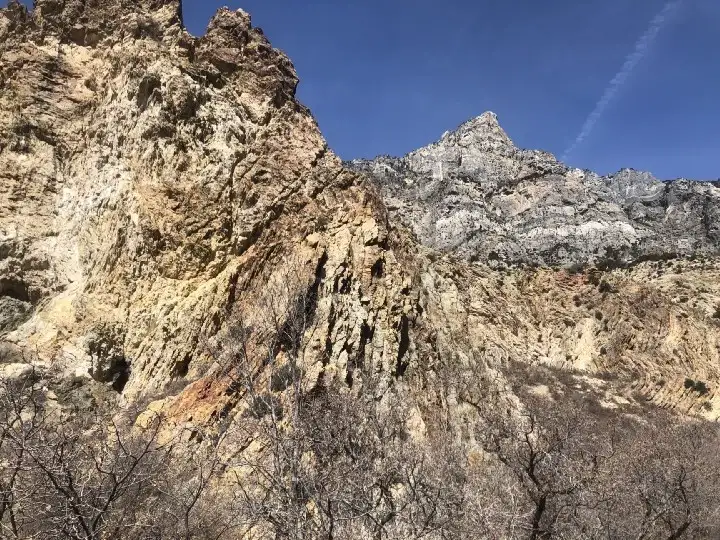
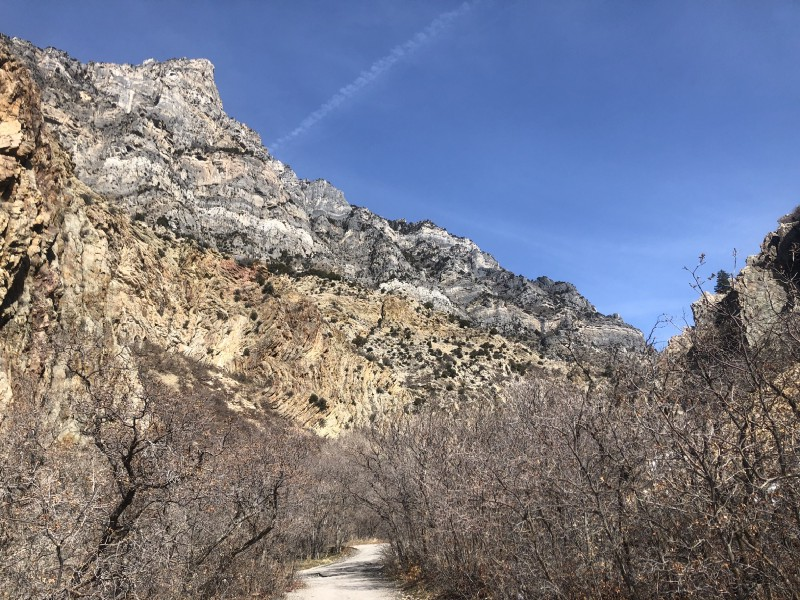
  • Hiking Squaw Peak in Provo, Utah 2023

    Hiking Squaw Peak in Provo, Utah 2023

    This article is for those curious about the climb up to the gorgeous, rocky peak on the north side of Rock Canyon. This day hike takes you up to just under 8,000 feet where you can see all around Utah Valley. If this is your first time climbing a mountain, you’ve chosen the right spot.

    Most healthy individuals can make it up this intermediate hike with the right preparation. If this is one of your first hikes in the area, consider something shorter to get used to the elevation and get in the right shape. A couple of good suggestions would be Y-Mountain and Stewart Falls. Once hikes like those are easier for you, a day trip up Squaw Peak should be fine, unless advised against by a doctor. You should pay attention to your doctor and your body. Common sense, right?

    Now, while I’m aware the traditional name of the peak can and has sparked controversy, I’ve left the title of “Squaw” until local leadership comes up with a better name that people will call it in the future. I’m all about change.

    Now, the details you’re looking for.

    Location

    The canyon itself is located east of the Provo Temple (LDS), which is probably the easiest landmark to spot. From the freeway, you can take the University Parkway exit and travel east up the road several miles until it ends next to the Provo LDS Missionary Training Center. From there, turn left on 900 east and then a right up to the north side of the temple where you’ll hit a curve in the road that looks like a weird intersection above 2300 North and 1450 East. The entrance to the canyon is on the east side of that intersection. There will be parking by a pavilion to the south and all the way up to the trailhead.

    The Rock Canyon Portion

    The trail up Rock Canyon starts out paved and then forks after a few hundred feet, one side still paved and the other side graveled. Pick a fork and keep heading east up the canyon. The two forks will combine again. After .4 miles or so, the trail becomes rocky and you’ll pass through Kitchen Gate next to a popular climbing wall called the Kitchen. Watch for falling climbers.

    As you head up this road, you might notice water to your left if spring runoff is happening and the drought is over. Hopefully soon!

    The next thing to look for is an ever-running water fountain that my friends and I affectionately call the fountain of youth. Be warned, however. Wasps love the fountain more than people do. Rumor has it they’re immortal as long as they drink from the water.

    Follow the hopefully-not-dry creek as you climb the trail for the next mile. You’ll cross the creek five times over some convenient foot bridges. After the fifth, keep your eye out for the fork. It will be the first on your left, somehow marked by the forest service, and there’s a rock where someone etched in a sign pointing the way up to good ‘ol Squaw Peak.

    The Ascent

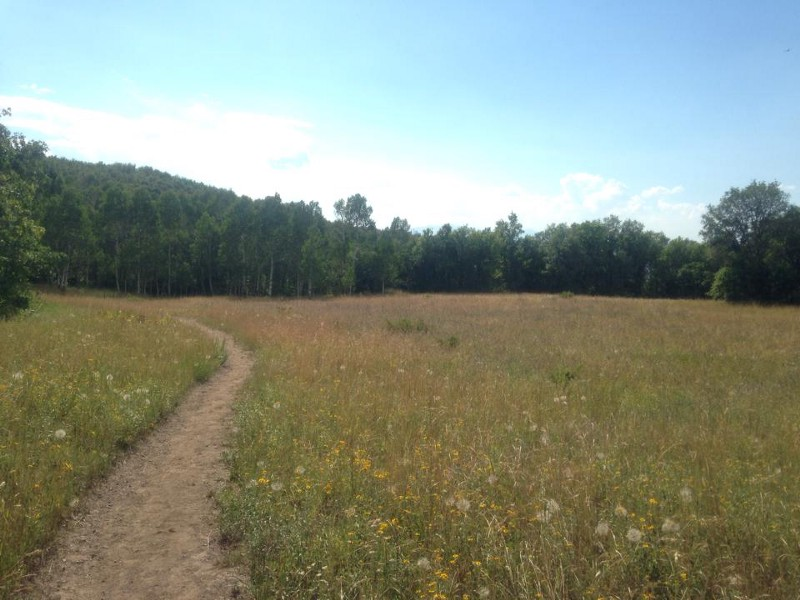
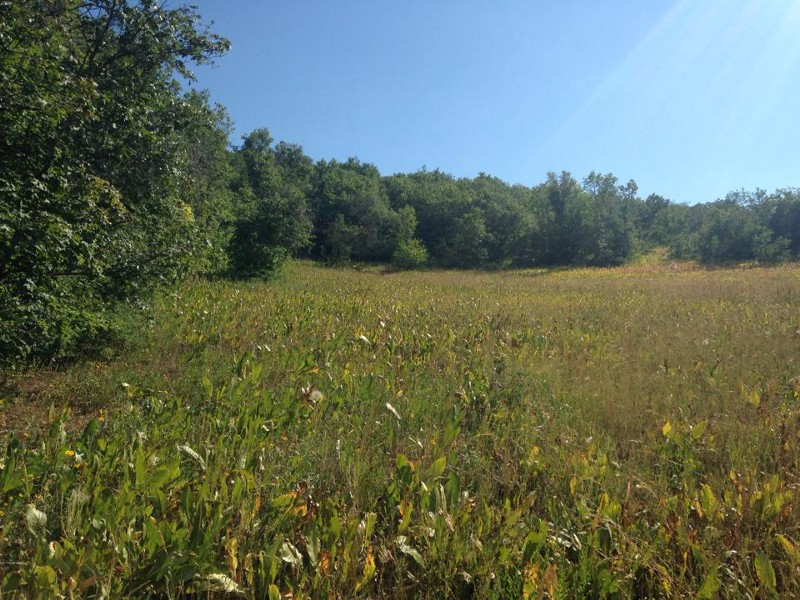
    The Meadows by Daniel Bradley

    First thing to keep in mind in this next part is that there are no switchbacks. The trail climbs and then keeps climbing, giving you no real bearing on distance. A natural prankster, on my way back down the mountain, I love telling people in this part that they’re getting close. Don’t be like me…but it is hilarious. You’re in for about 1,000 feet of leg-burn on a nicely worn trail. You should be fine, just tell your thighs and glutes that they needed the exercise. Also, by 1,000 feet I mean elevation, not distance.

    One trick, when you’re out of breath, is to tell the group you want a picture. Try not to sit too much. Sitting makes the trip longer and it relaxes your muscles in a way that can make the climbing hurt more when you start up again. But as always, listen to your body. You’ll finish this part at over 7,000 feet.

    You may see deer, cats, squirrels, and other wildlife in this part of the trail, but I wouldn’t get my hopes up. Squaw Peak is a very popular hike and lots of people making noise scares away the animals. However, that also helps keep the bears and mountain lions away. I doubt you were hiking to see those.

    A Break and then One More Climb

    For those hiking for the pictures, save battery and film for the meadows. You’ll find yourself climbing into a beautiful stretch of aspens, wildflowers, and grass with a thin trail guiding you though. Before this part, you’ve been climbing up the back of the mountain, this part is where you will circle around and start seeing little hints of the valley through the trees.

    Photo Cred: Daniel Bradley

    Success! The Peak

    Squaw Peak is the perfect challenge, which makes it so popular. After the meadows and gratefully-rested thighs, the climb starts again one last time. You’ll probably hate it, as beautiful as it is, because you felt like you were almost there. Push through, it won’t be any harder than before. The last hill was worse and much much longer.

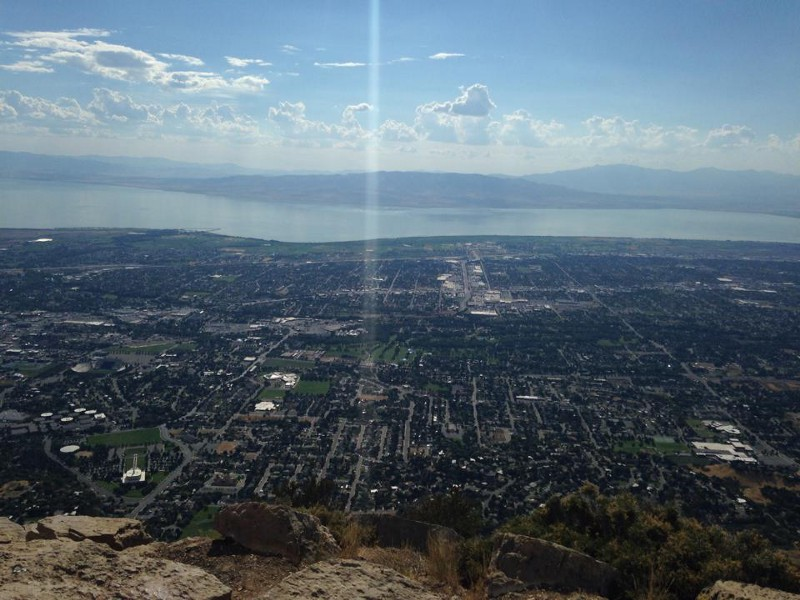
    The peak will come upon you suddenly. Oak cover will turn into junipers and the trail will flatten out. Suddenly, the valley will open up in front of you like this:

    (Warning: Spoilers)

    Photo Cred: Daniel Bradley

    That’s the Provo Temple at the bottom left and Utah Lake behind at the top. On peaks like these you can see why people call the area the Great Basin. You’ll see mountains all around you, above and below, with Provo, Orem, Springville, etc. beneath your feet.

    For the inexperienced, a summit like this can be life changing. For the experienced, it’s a recharge, because nothing else compares.

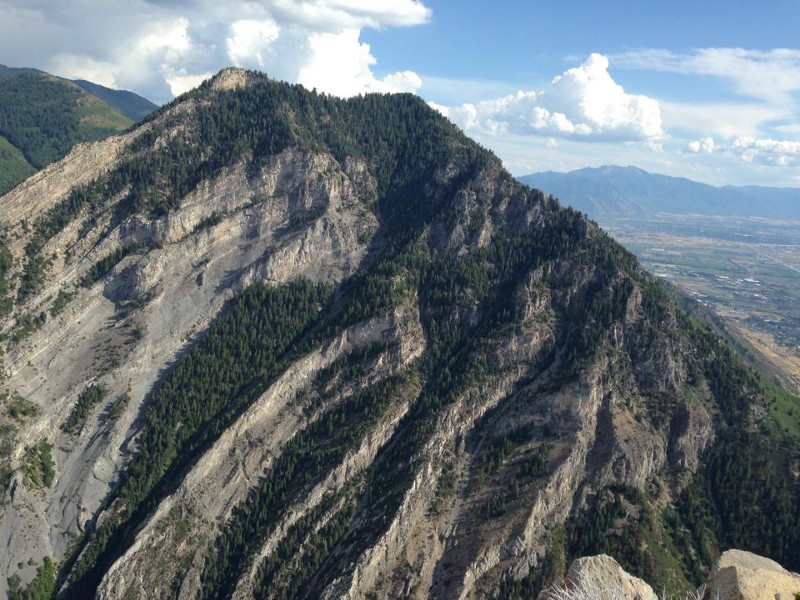
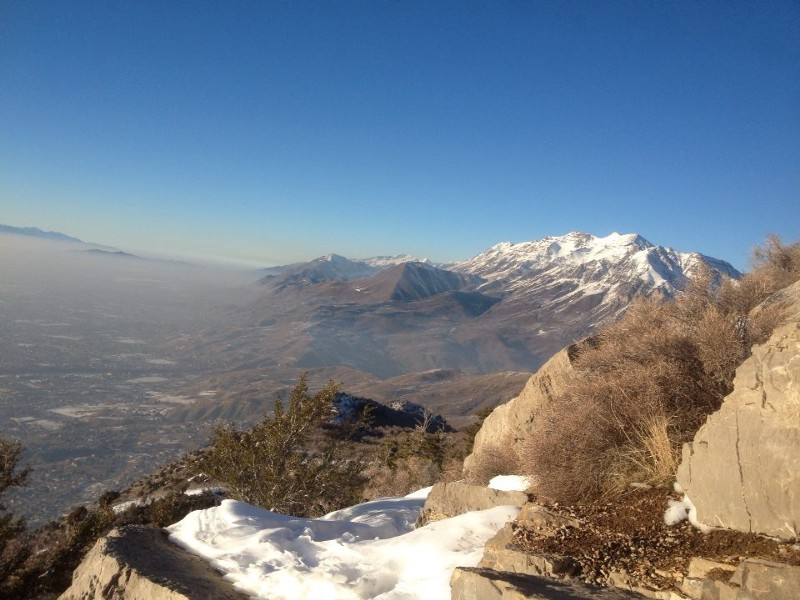
    While you’re admiring the valley, don’t forget to look around at these views, which are great in any season:

    Looking South: Daniel Bradley
    North Toward Timpanogos: Daniel Bradley

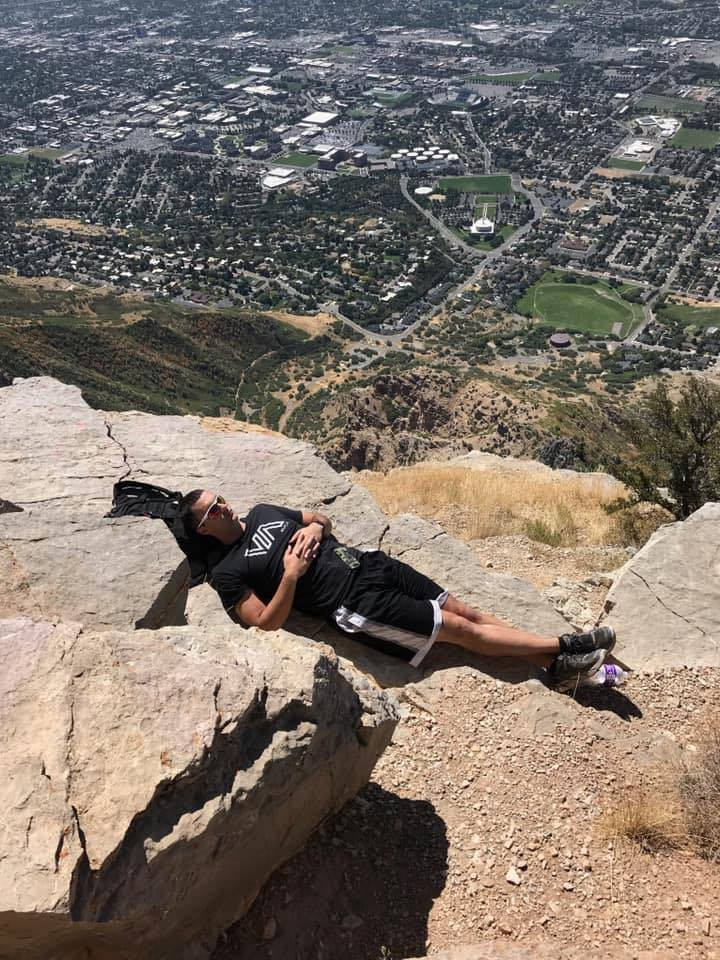
    My last suggestion before you follow all this in reverse and make it down in half the time it took you to get up, would be to take a nap at the top. You deserve it.

    Daniel at the Top of Squaw Peak

    Additional Reading:

    Witt, Greg. 60 Hikes within 60 Miles: Salt Lake City Including Ogden, Provo, and the Uintas. Birmingham, AL: Menasha Ridge Press, 2019.

    This book helped me verify a few details and I even learned some. I recommend it for anyone looking for good hikes in Northern Utah.

    Have you ever made this hike? What other hikes in Utah would you like to learn about? Answer in the comments and I’ll do my best to photograph and document your requests.